Deciding between carpet and hardwood flooring for your bedroom depends on your priorities. Carpet offers warmth, sound absorption, and a softer surface, making it ideal for comfort and noise control. Hardwood provides durability, easier allergen management, and timeless appeal, though it can feel cold underfoot and amplify sound. The right choice for carpet vs hardwood bedrooms comes down to your lifestyle, budget, and how you use the space.
Why Bedroom flooring Matters More Than You Think
Your bedroom is the only room in your home where you spend hours barefoot every single day. The surface beneath your feet affects sleep quality, comfort, and even air quality. Poor flooring choices can trap allergens, create cold spots, or echo every footstep. The material you select influences how the room feels, how much maintenance you’ll face, and how well the space retains value over time.
Understanding the Basics of Carpet and Hardwood
Carpet consists of fibers attached to a backing, typically made from nylon, polyester, or wool. It provides cushioning and insulation, creating a soft, warm surface. Quality varies widely based on fiber density, pile height, and construction method. Most residential carpet lasts 10 to 15 years with proper care.
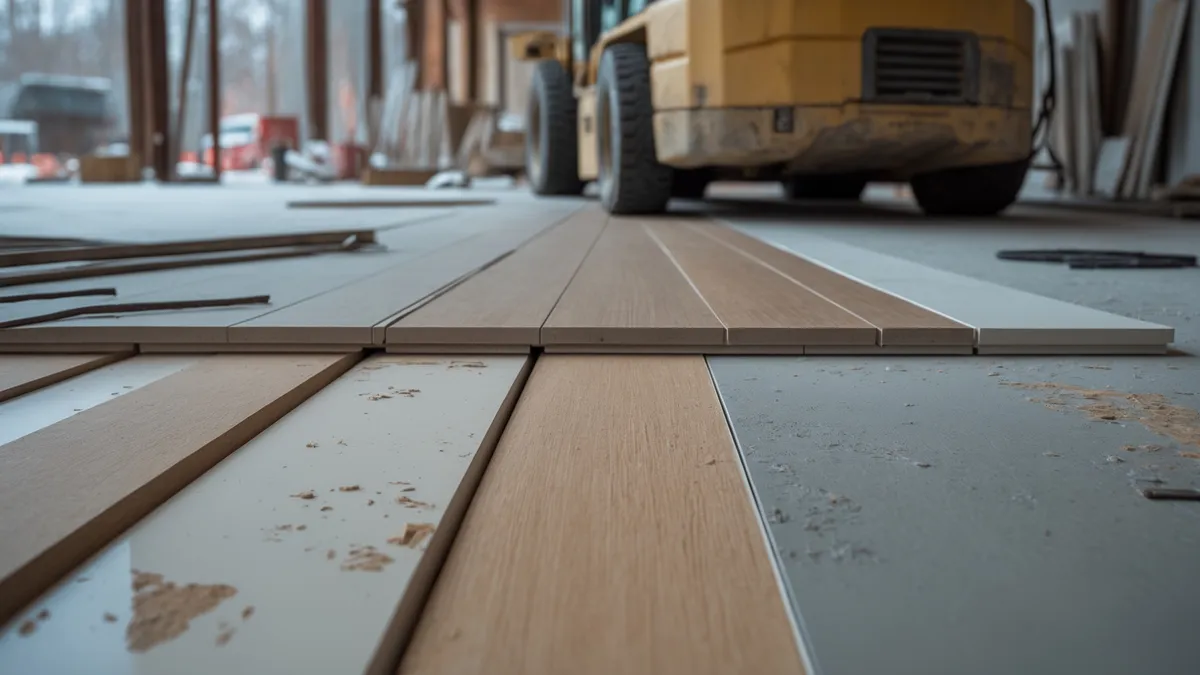
Hardwood flooring uses solid or engineered wood planks installed over a subfloor. Common species include oak, maple, and cherry. Solid hardwood can be refinished multiple times and often lasts 50 years or more. Engineered hardwood offers better moisture resistance but fewer refinishing opportunities. Both types add a classic look that appeals to most buyers.
Warmth and Comfort Underfoot
Carpet delivers immediate warmth when you step out of bed on cold mornings. The fibers trap air, creating natural insulation that keeps your feet comfortable. This thermal barrier also reduces heat loss through the floor, which can lower heating costs in winter months.
Hardwood feels cool to the touch, especially in basements or rooms over unheated spaces. Many homeowners add area rugs to create warm zones near the bed or seating areas. Radiant floor heating systems can solve this problem but add significant installation cost, typically $10 to $20 per square foot.
Sound Control and Noise Reduction
Carpet absorbs sound effectively, reducing footstep noise and dampening echoes. This makes it valuable in multi-story homes where bedroom noise travels to rooms below. Thicker padding enhances this effect, creating a quieter environment that promotes better sleep.
Hardwood reflects sound, amplifying footsteps and other noises. In older homes with thin subfloors, this can become disruptive. Adding thick rugs helps, but the effect differs from wall-to-wall carpet. Families with young children or light sleepers often find carpet more practical for maintaining peace.
Allergen Management in Middlesex Bedrooms
Hardwood simplifies allergen control because it doesn’t trap dust, pollen, or pet dander in fibers. Regular sweeping or vacuuming removes particles completely. This makes hardwood the preferred choice for people with asthma or severe allergies.
Carpet can harbor allergens deep in the pile, even with frequent vacuuming. However, modern low-pile carpets with hypoallergenic treatments perform better than older, high-pile styles. Professional deep cleaning every 12 to 18 months helps maintain air quality. The key is choosing carpet with a tight weave and avoiding thick, plush varieties that trap more particles.
Maintenance Requirements and Long-Term Care
Hardwood requires regular sweeping and occasional damp mopping with wood-safe cleaners. Spills need immediate attention to prevent water damage. You’ll need to refinish the surface every 10 to 20 years, depending on wear patterns and traffic levels. Scratches from furniture or pet claws show more visibly on dark finishes.
Carpet demands weekly vacuuming and prompt stain treatment. High-traffic areas develop wear patterns and matting over time. Professional cleaning costs $100 to $300 per room and should happen annually in bedrooms with pets or children. Carpet cannot be refinished, so replacement becomes necessary when wear becomes visible.

Installation Costs and Budget Considerations
Carpet installation typically costs $3 to $8 per square foot, including materials and labor. Mid-grade nylon or polyester suits most bedrooms. Adding quality padding raises the total by $1 to $2 per square foot but extends carpet life and improves comfort.
Hardwood runs $8 to $15 per square foot for materials and installation. Solid oak or maple costs more than engineered options. Subfloor preparation can add another $2 to $4 per square foot if the existing surface isn’t level. For a typical 12-by-14-foot bedroom, expect to pay $500 to $1,300 for carpet versus $1,300 to $2,500 for hardwood.
Durability and Lifespan Comparison
Hardwood outlasts carpet by decades when properly maintained. Refinishing restores the original appearance multiple times, making it a long-term investment. Scratches and dents can often be buffed out or sanded during refinishing.
Carpet shows wear faster, especially in areas near the bed or closet. Flattened pile and visible traffic patterns develop within five to seven years in active households. Once the fibers mat down or staining becomes permanent, replacement is the only option. However, the lower upfront cost makes carpet easier to refresh more frequently without a major financial commitment.
Resale Value and Buyer Preferences
Hardwood appeals to more buyers and often commands higher resale prices. Real estate agents consistently report that homes with hardwood floors sell faster and for more money than comparable properties with carpet. Buyers view hardwood as a premium feature that suggests better overall quality.
Carpet doesn’t add resale value the same way, but fresh, neutral carpet in good condition won’t hurt a sale. Many buyers prefer hardwood in main living areas but accept carpet in bedrooms. The challenge is that older carpet often needs replacement before listing a home, adding to selling costs.

Climate and Moisture Considerations
Humidity affects both materials differently. Hardwood expands and contracts with seasonal moisture changes, which can cause gaps or cupping if humidity isn’t controlled. Maintaining indoor humidity between 30 and 50 percent protects the wood. Engineered hardwood handles moisture fluctuations better than solid planks.
Carpet tolerates normal humidity well but can develop mold or mildew in damp conditions. Basements and rooms with poor ventilation create risks. If moisture is present, addressing the source before installing any Flooring prevents costly damage and health problems.
Making the Right Choice for Your Space
Your decision should reflect how you use the bedroom and what matters most to you. Carpet works well if you prioritize warmth, softness, and sound control. It suits families with young children who play on the floor and homeowners who want lower upfront costs. Choose low-pile, stain-resistant carpet with quality padding for the best performance.
Hardwood makes sense if you value durability, easy cleaning, and long-term investment. It’s ideal for allergy sufferers and anyone who plans to stay in their home for many years. Adding area rugs solves the warmth and sound issues while preserving the hardwood’s benefits. The higher initial cost pays off through longevity and resale value.
Many homeowners find that the choice depends on the specific bedroom. Primary suites often benefit from the luxury feel of hardwood with rugs, while children’s rooms may be more practical with carpet. Guest rooms see light use, making either option viable based on aesthetic preference and budget.
Professional installation ensures either material performs as expected. Proper subfloor preparation, moisture barriers, and finishing techniques make a significant difference in longevity and appearance. Working with experienced contractors prevents common problems that lead to premature wear or damage.
Finding the Right Solution for Your Home
Both carpet and hardwood offer distinct advantages for bedroom flooring. Carpet provides immediate comfort, warmth, and noise reduction at a lower price point. Hardwood delivers durability, easier allergen control, and stronger resale value with a higher upfront investment. Your choice should align with your lifestyle, budget, and long-term plans for the space.
CT Home Remodeling LLC has helped homeowners throughout Central and Eastern Connecticut select and install the right flooring for every room since 2008. Our team understands how material choices affect comfort, maintenance, and home value. We guide you through options that fit your needs and budget, then handle professional installation that ensures lasting results. Whether you’re updating one bedroom or renovating your entire home, we bring the expertise and craftsmanship that make the difference. Call (860) 532-7156 to discuss your flooring project and schedule a consultation.